If you’re under 21 in 2026, you’ve probably seen it all over social media: ads, DMs, “trusted vendor” comments, and slick-looking websites promising “undetectable” IDs powered by AI. They look professional. They look convincing. And they claim their tech is next level.
But here’s the truth: the world of fake ID websites has changed dramatically — and not in a way that benefits you.
In 2026, artificial intelligence has transformed how fake IDs are created, marketed, and sold online. What used to require design skills and risky printing setups now uses AI image generators, deepfake tools, and automated design systems. The result? Fake ID websites look more polished than ever — but they’re also more dangerous, more scam-driven, and more legally risky.
This article breaks down:
- How AI fake ID generation works (at a high level)
- The top tactics fake ID websites use in 2026
- Why these sites are riskier than ever
- How AI is impacting identity verification systems
- What under-21 users need to understand before making a decision that could follow them for years
Let’s get into it.
The Rise of AI Fake ID Generation
In the past, fake IDs were often made using stolen templates, basic photo editing tools, and trial-and-error printing. In 2026, AI has changed the game.
Modern fake ID websites now use:
- AI image enhancement tools
- Synthetic face generation
- Automated layout alignment
- Smart lighting and texture simulation
- Machine learning–based template matching
Some websites that use AI for making fake ids:
- Hotfakeid.com
- Fakeyourid.com
- idtop.is
- Fakeyourdrank.com
- idgod.ph
Read Also: Full list of AI Fake ID Websites 2026.
Instead of manually editing a template, some operators now feed data into AI systems that automatically generate realistic-looking IDs with shadows, reflections, and micro-details.
But here’s the catch: “realistic-looking” does not mean “undetectable.”
In fact, as AI tools have improved, so have AI-powered detection systems used by banks, crypto exchanges, airports, and even some bars.
It’s now AI vs AI.
Tactic #1: AI-Generated “Hyper-Realistic” Marketing Images
One of the biggest tactics fake ID websites use in 2026 is hyper-polished visual marketing.
You’ll see:
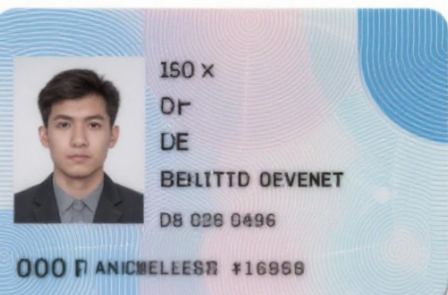
- Ultra-clear ID preview images
- Perfect lighting
- Close-up hologram shots
- “Comparison” photos next to real IDs
- Video clips showing IDs under UV light
Here’s what most users don’t realize: many of those preview images are fully AI-generated renders — not photos of real physical products.
AI can now simulate:
- Holographic overlays
- Microprint textures
- Depth and plastic shine
- Barcode details
- Even wear-and-tear effects
The site looks professional, but that doesn’t mean the physical product matches the image. Many buyers in 2026 report receiving low-quality cards that look nothing like the AI-enhanced previews.
The marketing is powered by AI.
The product often isn’t.
Tactic #2: Deepfake Identity Blending
Another emerging tactic is the use of AI-generated facial blending.
Some fake id websites claim to “optimize” your photo so it passes verification checks. What this really means is they may:
- Enhance facial symmetry
- Adjust lighting automatically
- Blend facial features subtly
- Smooth skin and remove artifacts
AI editing tools can modify images in ways that look natural to the human eye. But modern KYC (Know Your Customer) systems don’t just rely on visual inspection.

They analyze:
- Pixel-level inconsistencies
- Compression artifacts
- Metadata mismatches
- Facial recognition mapping
- Liveness detection patterns
Ironically, AI-enhanced fake IDs can sometimes be easier for advanced systems to detect because AI leaves subtle digital fingerprints.
Tactic #3: Fake Reviews and AI-Generated Testimonials
If you search for fake ID websites in 2026, you’ll see pages full of:
- 5-star reviews
- “Customer success” stories
- Reddit-style testimonials
- Discord screenshots
- TikTok comments
Many of these are AI-generated.
Large language models can now create thousands of realistic, casual-sounding reviews in seconds. Some websites even use bots to simulate conversations in comment sections.
Common red flags:
- Reviews that sound overly polished
- Repeated phrases across different users
- No verified third-party review platform
- Screenshots instead of real links
- Testimonials without timestamps
In many cases, the “community” around these sites is manufactured to create social proof.
Tactic #4: Targeted Social Media Ads Using AI Profiling
Fake ID marketing has moved heavily into social media platforms in 2026.
AI-driven ad systems can:
- Identify users under 21
- Detect interest in nightlife or college content
- Track engagement with alcohol-related posts
- Predict likely buyers
Some operators run ads disguised as meme accounts or student pages. Others use influencers — sometimes unknowingly — to spread referral codes.
What makes this especially risky is how personalized the marketing feels. The ad seems relevant. The website looks professional. The reviews look real.
That combination lowers skepticism.
Tactic #5: “Undetectable Against AI” Claims
One of the biggest marketing angles in 2026 is this:
“Beats AI verification.”
This is misleading for several reasons.
Modern KYC systems don’t rely on just one layer of verification. They combine:
- Optical character recognition (OCR)
- Database cross-checks
- Face matching
- Behavioral biometrics
- Liveness detection
- Device fingerprinting
Even if a fake ID looks convincing in a static image, verification systems can flag:
- Barcode data that doesn’t match issuing databases
- Incorrect ID number formatting
- Security pattern inconsistencies
- Inconsistent UV behavior
- Suspicious submission patterns
Claims of being “AI-proof” are marketing hype — not guarantees.
The Legal Reality in 2026
This part isn’t exciting, but it’s important.
Using a fake ID can lead to:
- Misdemeanor or felony charges
- Fines
- Probation
- Permanent criminal record
- College disciplinary action
- Scholarship loss
- Visa complications (for international students)
- Employment background check issues
And in 2026, digital forensics has improved.
When you submit documents online, systems log:
- IP addresses
- Device fingerprints
- Submission timestamps
- Behavioral patterns
- Account linkage data
Even if you think something is “anonymous,” digital footprints are harder to erase than ever.
AI Is Also Strengthening Verification Systems
Here’s something most fake ID websites won’t tell you:
AI is making identity verification stronger too.
Modern systems use:
1. Liveness Detection
You may be asked to blink, smile, or turn your head during verification. AI checks whether you’re a real person — not a static image.
2. Behavioral Biometrics
Some platforms analyze how you type, move your mouse, or hold your phone.
3. Document Forensics AI
Systems can detect subtle inconsistencies invisible to the human eye.
4. Cross-Database Validation
ID numbers and barcodes may be checked against issuing authorities.
In 2026, identity fraud detection is smarter than ever.
The Scam Problem: Most Fake ID Websites Are Just Taking Your Money
Here’s the harsh reality: a large percentage of fake ID websites in 2026 are pure scams.
Common scam tactics include:
- Requesting crypto-only payments
- Disappearing after payment
- Sending low-quality products
- Phishing for personal data
- Reselling submitted photos and information
When you upload your real photo and personal details to an unknown site, you’re handing over identity data to strangers.
That can lead to:
- Identity theft
- Account takeovers
- Financial fraud
- Long-term data exposure
The risk isn’t just legal. It’s digital security.
Why Under-21 Users Are Targeted
Fake ID websites target younger users because:
- They’re often first-time buyers
- They may underestimate long-term consequences
- They respond to social proof
- They’re active on social platforms
- They may be less familiar with scam signals
AI marketing tools amplify this targeting.
But the consequences don’t disappear after college. Background checks, job applications, and professional licensing processes can surface past issues years later.
A short-term decision can have long-term impact.
The Bigger Picture: Digital Identity in 2026
We’re entering an era where digital identity matters more than ever.
You use identity verification for:
- Banking
- Crypto exchanges
- Travel
- Gig platforms
- Remote jobs
- Education portals
- Government services
As digital systems expand, identity fraud becomes more serious — not less.
AI fake ID generation is part of a larger issue: synthetic identity fraud. This affects financial institutions, businesses, and individuals.
When fraud increases, security tightens. That means stricter checks for everyone.
Why the “It’s Just for Bars” Argument Doesn’t Hold Up
Some people justify fake IDs by saying:
“It’s just for getting into clubs.”
But many fake ID purchases in 2026 are used for:
- Online account creation
- Payment platform verification
- Crypto exchange signups
- Restricted product purchases
- Subscription bypassing
The digital trail expands the risk.
And if a fake ID is used in a financial system, the legal consequences are significantly more serious than using one at a bar.
The Psychological Tactic: Making It Feel Normal
Another major tactic fake ID websites use is normalization.
They create the impression that:
- “Everyone does it.”
- “It’s part of college.”
- “No one gets caught.”
- “It’s not a big deal.”
But online forums are full of stories from people who:
- Lost thousands to scams
- Received unusable products
- Faced disciplinary action
- Had accounts permanently banned
Social media often shows success stories — not the consequences.
AI Will Keep Evolving — But So Will Detection
By late 2026 and beyond, expect:
- More advanced biometric systems
- Stronger database integrations
- Real-time fraud scoring
- Government-backed digital ID systems
- Increased penalties for identity fraud
AI fake ID generation may become more sophisticated — but detection technology is evolving just as fast.
This isn’t a one-sided race.
What You Should Take Away
If you’re under 21 and seeing ads for AI-powered fake IDs, understand this:
- The marketing is smarter than ever.
- The risks are higher than ever.
- The scams are more convincing than ever.
- The legal consequences are more serious than ever.
- The digital footprint is harder to erase than ever.
AI has made fake ID websites look more professional. It hasn’t made them safe.
Final Thoughts: Think Long-Term
It’s easy to focus on the short-term benefit — getting into a venue, accessing something early, feeling included.
But digital identity is becoming one of the most valuable assets you have.
In 2026, your online record follows you into:
- Job applications
- Financial services
- International travel
- Professional licensing
- Security clearances
A split-second decision can leave a permanent mark.
AI fake ID generation may sound futuristic and advanced, but the risks remain very real.
The smartest move isn’t finding a better fake.
It’s protecting your real identity.
Because in the AI era, your digital reputation matters more than ever.